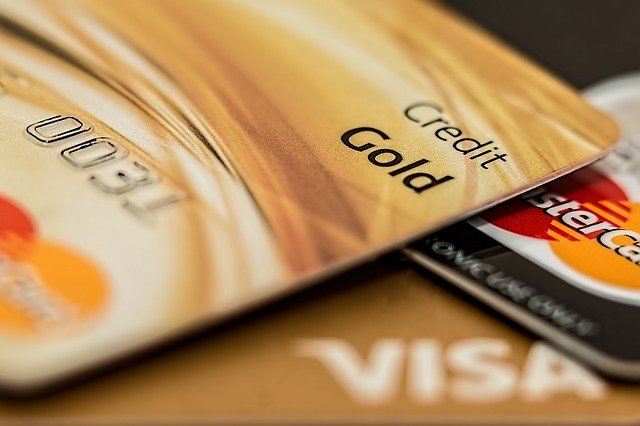
Your first experience with the world of credit building often begins with a credit card. It is exciting to receive a shiny new credit card for the first time. Credit cards do help you build good credit if properly managed. The Good Steward Financial System helps to establish practices and strategies with credit cards early on that can help you achieve future goals.
The Amount of Credit You Are Utilizing Affects Your Credit Score
Your credit score is affected by your debt utilization percentage. Debt utilization is how high of a balance you carry compared to the credit limit on an account. For example, if you have a credit card with a credit limit of $2000 and you charge $1800 per month, you are utilizing 90% of your available credit. A high debt utilization score has a negative impact on your credit rating.
If you want to improve your credit score, the recommendation is to use no more than 10-30% of your available credit every month.
Some people consider spreading purchasing out over several credit cards to help manage their debt utilization percentage. This approach has more drawbacks than benefits. First, there is the extra time involved in managing multiple monthly credit card payments. Even letting one monthly payment on a credit card slip has a negative impact on your credit score.
Your debt utilization score is weighted at 30% of your total credit score, and the only factor that carries more weight is the timeliness of your payments. Payment timeliness is weighted as 35% of your total credit score.
So if you want to raise your score, keeping your debt utilization low and paying bills is the best strategy. Why risk juggling four to five monthly credit card payments when you could accomplish a better result with one to three?
A potential lender may view too many credit cards on your report as a red flag, even if you are making payments on time.
How Many Credit Cards Should You Have?
How many credit cards you should have is a difficult question to answer, because there is no magic number. It is true that credit scores can increase slightly when you are approved for more than one credit card. A lot of people find success with having one credit card for daily purchasing that they pay off in full every month, and one or two reserved for emergencies or larger purchases. By not carrying the emergency cards on a daily basis, they are less likely to run up those balances on impulse purchases.
Before opening multiple credit card accounts, it is important to remember that your credit score can take a hit if numerous companies are pulling your credit report in a short period of time.
Your credit score is also affected by the average length of time you’ve had accounts open. When you open a new credit card account, you risk lowering that average.
As you build your credit score, the number of offers for cards you receive in the mail will increase as well. Credit card companies make it tempting but it’s best to proceed with caution. Jumping from one credit offer to another based on the rewards program offered, for example, is not going to advance you towards your long-term credit goals.

How to Raise Your Credit Score Without Spending Money
It can be frustrating when you realize it takes credit to have good credit. There are some ways you can raise your credit score without making purchases on credit cards and paying the balances on time.
One way to raise your credit score without spending money is to see if someone with good credit can add you as an authorized signer on a card in their name. If that card is paid on time, it will have a positive reflection on your credit score.
If you qualify for a credit card on your own, you can build your credit by charging a small amount and paying it off every month. Consider charging small monthly subscriptions like Netflix or your preferred music service to one card and establishing a history cycle of paying those balances in full every month.
Another good way to build credit is to obtain a secured credit card. Secured credit cards require you to provide money upfront for the amount of credit you have on the card. The amount you put down is your credit limit and caps your spending. Secured credit card companies do report to the credit agencies. You can build your credit by paying off any purchases you make on a secured credit card monthly.
Even if you don’t have credit cards, you may be paying bills on time that don’t report to credit agencies. Landlords and utility companies don’t typically report to credit agencies, but you can certainly ask them to. If they agree, you can build some credit this way and receive the reward for what you were already doing.
General Suggestions For Building Credit
First and foremost, if you want good credit pay your bills on time. If you struggle with this, consider setting up automatic payments from your bank and using The Good Steward Financial System to manage your credit cards.
Another suggestion is to not close credit card accounts even if you no longer use a particular card. As mentioned, your credit card score is affected by building history, and if an account is in good standing the longer it is open will benefit your credit rating.
Most people start building credit with credit cards, but one factor in improving your credit score is diversification in the types of credit you have on your report. Having a car loan or mortgage builds credit, but if those options are out of reach for the time being, you can take out a small personal loan for a purchase like a computer or piece of furniture. These are considered credit builder loans and will do just that as long as you pay the monthly bill on time.
Credit cards can be beneficial in building good credit, but it pays to keep the big picture in mind and incorporate them into an overall strategy for building good credit. Contact us for more information on how The Good Steward Financial System can help you with your credit goals.