
If you want to improve your credit score, don’t be overwhelmed or discouraged. It’s possible to improve your credit score, and the first step is educating yourself. A personal credit score simulator, like the one provided by the TGS Financial System, is a way to stay encouraged. As you see your credit score improve on the app, it’s rewarding to know your efforts are paying off.
Here are some quick tips to get you started on improving your credit score:
Review Your Full Report and Monitor It with a Personal Credit Score Simulator
Knowledge is power in the case of credit scores. Pull your full credit report from the three major credit reporting bureaus. Those companies are Equifax, Experian, and TransUnion.
You are legally entitled to one free report from these agencies every year. If you want to save time, a Google search provides websites that pull all three reports at once; just be sure to take advantage of your annual free report from the agencies.
You are also entitled to a free credit report if you’re denied credit based on information from it. A letter is typically sent indicating this from the company that denied you credit. It’s another opportunity to check on your report.
Checking on your credit report periodically is a way to monitor unusual activity that indicates identity theft. This should be reported immediately if spotted.
Review each credit report and note any discrepancies. If there is inaccurate information, notify the credit reporting agency in writing. Be sure to include any supporting documentation. The credit agencies are required to investigate a report that is not considered frivolous. They normally do so within 30 days.
The credit agency then notifies the organization that reported the item in dispute. If the organization finds the item is inaccurate, they are required to notify all three credit reporting agencies for a correction.
Since your creditworthiness is judged on these reports, it’s important that they are accurate. While organizations don’t have ill intentions and credit reporting is subject to laws and regulations, mistakes do occur. You are the watchdog of your report, so it pays to be diligent in checking for and reporting errors.
Using a personal credit score simulator is another good way to stay on top of your credit profile. TGS is a tool that includes a personal credit score simulator as a benefit. And TGS sends notifications regarding information that affects your credit profile. When you identify improving your credit score as a goal, tools like these make it easier to achieve.
Pay Bills on Time to Improve Your Credit Score
It’s common knowledge that paying bills on time helps your credit. However, to stress this factor’s importance, consider that one late payment stays on your credit report for up to seven years. Payment history is weighted at 35% of your overall credit score and is the most significant single factor.
This is why it is important to not take on more in monthly payments than you can handle. In addition, maintaining a savings reserve to meet monthly payments for a period of time in case of a job loss or illness is wise.
If you miss a payment due to an unforeseen circumstance or oversight, and especially if your credit history is established positively, contact the credit card company. Explain the situation and see if avoiding a late payment report to the credit bureaus is possible.
Also, don’t forget or overlook student loan payments. Late student loan payments are reported to credit agencies and negatively impact your credit score.
If you come to difficult times financially, consider seeking a student loan deferment. While it’s not ideal or a long-term solution, deferments stop late payment reporting.
If you are someone who forgets monthly payments, there are tools to help. Using the TGS Financial System is one way to keep up with your monthly credit card payments. Another suggestion is to set automatic recurring payments from your bank account.
Pay Off Credit Card Balances and Keep Them Low
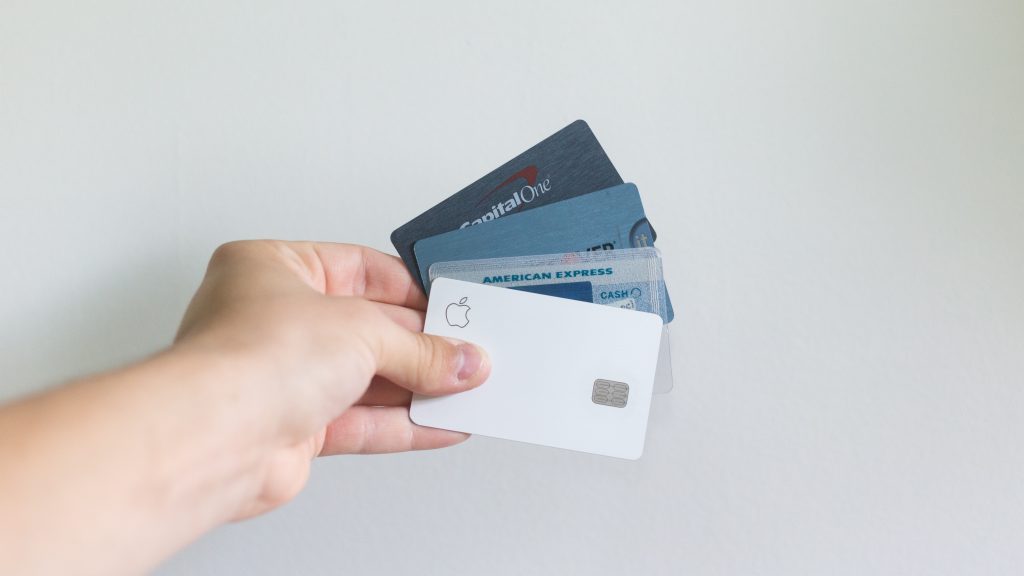
The other significant factor in determining your credit rating is your debt to credit ratio or credit utilization score. For example, if a credit card has a limit of $3000 and you consistently maintain a balance of $2900, that has a negative impact on your debt to credit ratio.
Use the TGS app to monitor your credit spending and limits to maintain a good credit utilization score. Keeping balances low on credit cards requires discipline, but is well worth it when it comes to credit ratings.
Also, paying off credit card balances in full impacts your credit score positively.
Diversify Credit to Improve Your Score
The types of credit accounts on your report are a factor in determining your credit score. Credit scores improve when your credit accounts are diverse. This is easier to achieve once you purchase a home and the mortgage is on your report. But until then, installment loans for large purchases like automobiles help show credit diversity.
Another example of credit diversity is student loans. Take advantage of the opportunity to build credit by paying your student loan on time.
Add Accounts with Positive History to Your Credit Report
Take advantage of paying your utility and cell phone bills on time by seeking to add that history to your credit report. It doesn’t hurt to ask your cell phone provider or utility company if there is a way they can report your payments to credit agencies.
Experian now offers an optional service that adds utility, cell phone, and even Netflix payments to your credit report.
Consider Tools Like TGS Financial System to Help Improve Your Credit
The Good Steward Financial System (or TGS) was designed to help people like you. TGS is an easy-to-use app with features like the personal credit score simulator previously mentioned. Knowing your credit score and staying on top of it is a way to improve it. TGS gives you the ability to do that in the palm of your hand.
TGS streamlines the management of your credit cards. It tracks your spending and credit card usage. Easy access to this information assists you in ensuring your credit card balances do not negatively impact your score.
Improving your credit is an attainable goal supported by the TGS Financial System. TGS is available for download on Apple’s App Store and on GooglePlay. For more information on TGS and its features, click here.